



- 85 Views
- 3 Min Read
- (0) Comment
Gelephu Mega City: Bhutan’s Visionary Gateway to Economic Transformation
Introduction
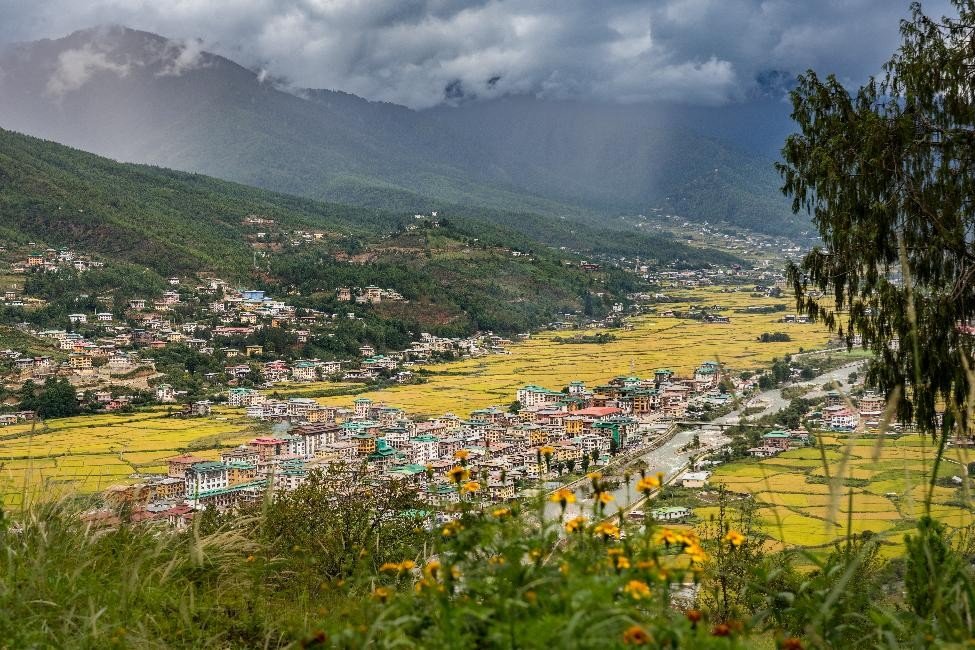
Nestled in the subtropical southern foothills of Bhutan, Gelephu Mega City is emerging as a transformative project with the potential to redefine Bhutan’s economic and regional landscape. Announced by His Majesty King Jigme Khesar Namgyel Wangchuck in December 2023, the Gelephu Mindfulness City — now referred to as the Gelephu Mega City — is more than just an urban development; it is a bold vision rooted in Bhutan’s unique philosophy of Gross National Happiness (GNH), sustainability, and spiritual well-being.

The Vision Behind Gelephu Mega City
The Gelephu Mega City is envisioned as a Special Administrative Region (SAR), modeled after global success stories like Hong Kong, Shenzhen, and Singapore. The goal is to attract investment, create jobs, promote sustainable development, and serve as a modern gateway to Bhutan — while staying true to the country’s cultural identity and environmental values.
At the heart of this vision is Bhutan’s aspiration to balance economic growth with spiritual depth, creating a city that embodies the principles of mindfulness, innovation, and sustainability. The Gelephu Mega City is expected to become a new economic engine for Bhutan and a model for human-centric urban development.
Key Features of the Gelephu Mega City
-
Special Administrative Region (SAR) Status
The SAR designation allows for distinct legal, economic, and regulatory frameworks, enabling the city to attract foreign investment and talent while operating under its own administrative governance. -
Infrastructure and Connectivity
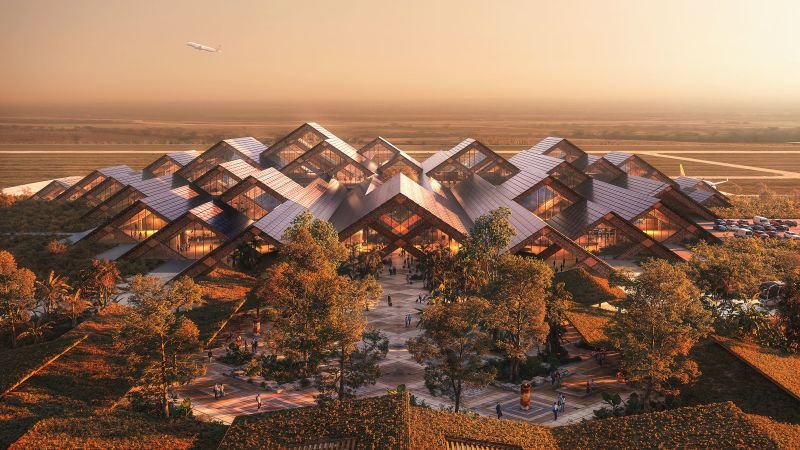
The city will be well-connected both domestically and internationally. Plans include a new international airport, upgraded roads and rail links to neighboring India, and seamless connectivity to Bhutan’s interior. Gelephu’s strategic location on the Indo-Bhutan border makes it a key node for trade and transit. -
Mindfulness and Cultural Integration
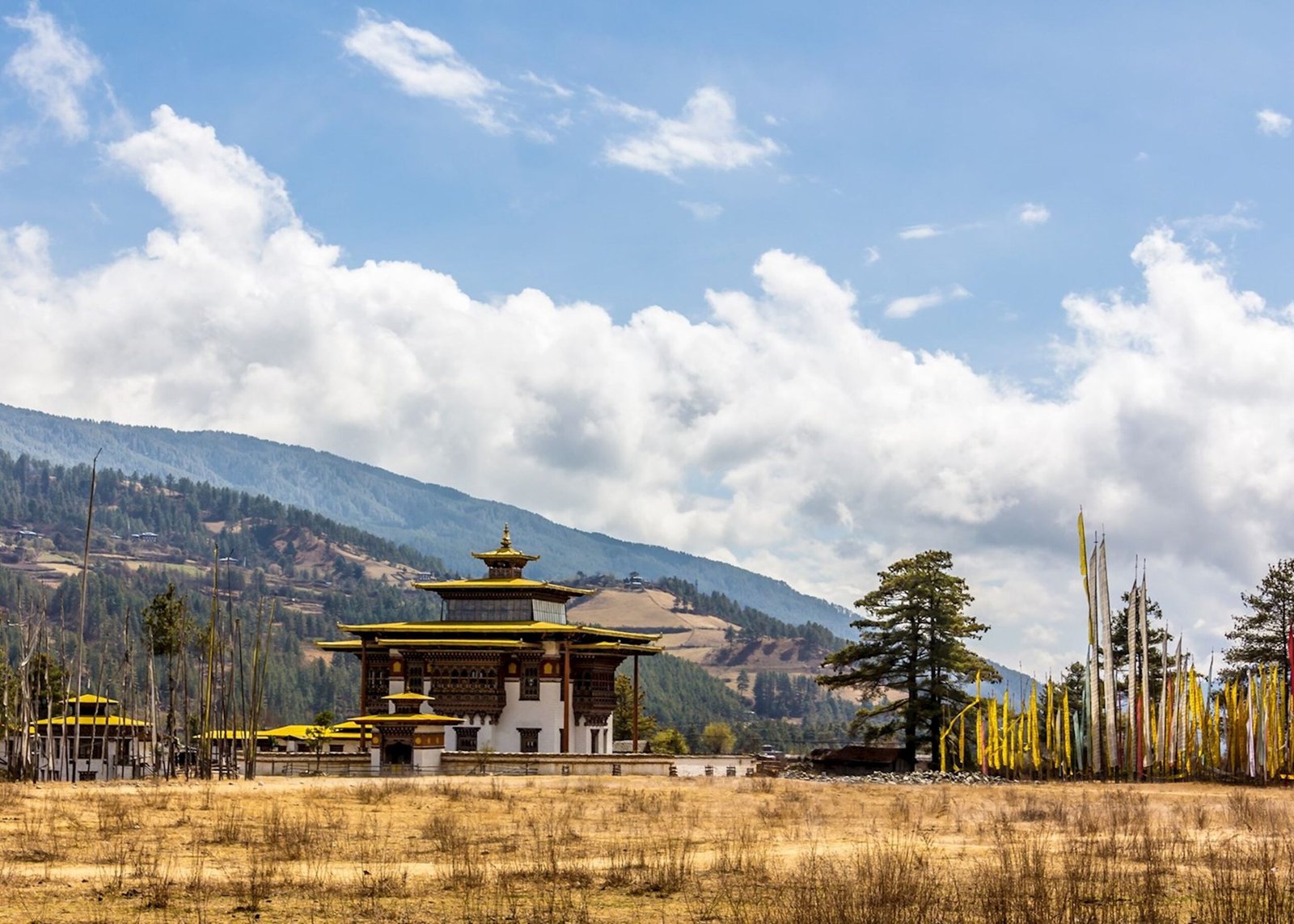
Unlike conventional mega cities, Gelephu will be designed around spiritual and cultural well-being. Temples, meditation centers, and wellness spaces will be integral parts of urban planning. The city will also preserve Bhutanese architecture, traditional values, and spiritual practices. -
Green and Sustainable Urbanism
With Bhutan already being a carbon-negative country, the Gelephu Mega City will adhere to green building practices, renewable energy systems, and zero-waste goals. It is expected to be a global model for sustainable living. -
Innovation and Economic Zones
The city will house special economic and innovation zones focused on sectors such as:-
Green technology
-
Information technology and AI
-
Education and research
-
Health and wellness tourism
-
Financial services
-
Economic and Strategic Implications
-
Diversification of Bhutan’s Economy:
Bhutan’s economy has long relied on hydropower and agriculture. Gelephu Mega City offers a chance to diversify into technology, services, and international business. -
Job Creation and Talent Development:
With its focus on innovation and entrepreneurship, the city is expected to create thousands of jobs, particularly for Bhutan’s youth, and reduce the brain drain. -
Regional Integration:
Gelephu’s proximity to India and Bangladesh opens new possibilities for regional trade, investment, and diplomacy, making Bhutan a vital part of South Asia’s economic network.
Challenges and Considerations
While the vision is ambitious and inspiring, the success of Gelephu Mega City will depend on:
-
Effective governance and regulatory clarity
-
Balanced development that avoids social inequality
-
Environmental preservation
-
Community participation and stakeholder buy-in
-
Strategic partnerships with global investors and institutions

Leave a comment: