



- 188 Views
- 2 Min Read
- (0) Comment
Bhutan’s climate is as diverse as its dramatic topography. Stretching from subtropical plains in the south to towering snow-capped Himalayan peaks in the north, the country’s altitude ranges from just 150 meters to over 7,000 meters above sea level—creating a wide spectrum of weather conditions across regions.
In the southern lowlands, Bhutan experiences a hot and humid subtropical climate that remains fairly stable throughout the year, with temperatures ranging between 15°C and 30°C. This region is lush and green, thanks to the high rainfall and tropical vegetation.
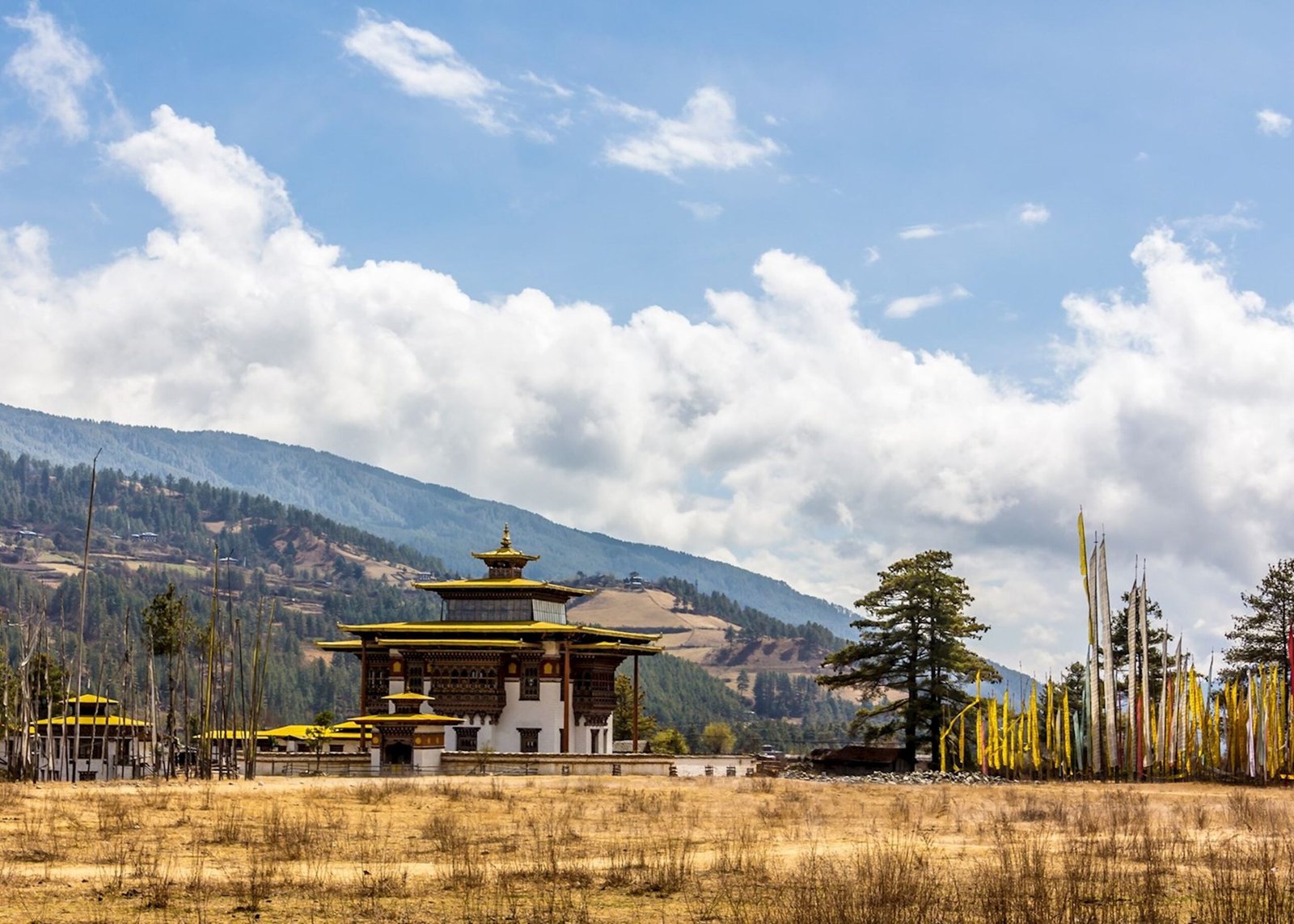
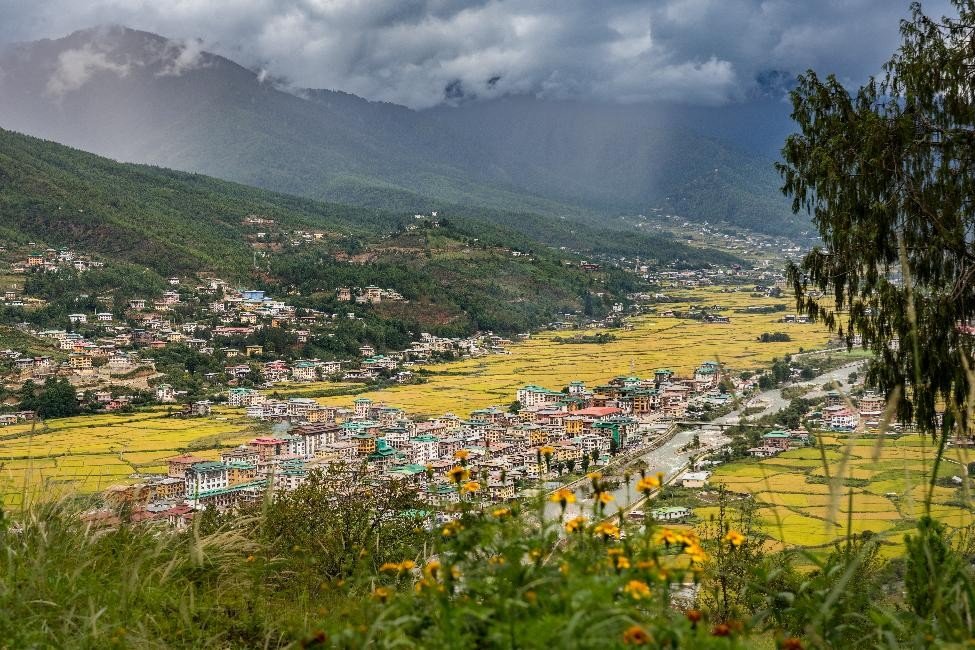
As you move into the central highlands, the climate becomes temperate, with warm summers and cool, dry winters. These areas are characterized by rolling hills, fertile valleys, and rich deciduous forests—perfect for agriculture, cultural tours, and scenic drives.
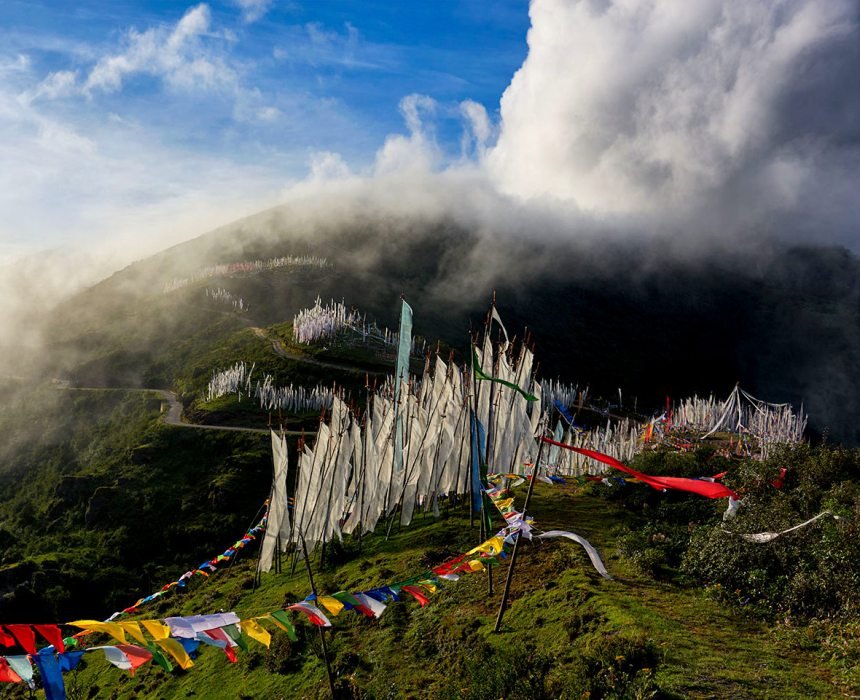
In the northern alpine region, the weather turns harsh. Winters are long and extremely cold, with permanent snow cover on the peaks and high passes. Even in summer, the elevated terrain keeps temperatures low, offering pristine alpine beauty ideal for high-altitude treks and adventure travel.

Bhutan is heavily influenced by the South Asian monsoon, which arrives from late June to late September. This period brings heavy rainfall, especially to the southern and western parts of the country. In fact, 60% to 90% of the annual rainfall in the western valleys occurs during the monsoon season.
Annual precipitation varies greatly based on location:
- The northern border near Tibet receives as little as 40 mm annually, mostly as snow.
- The central valleys receive moderate rainfall, averaging around 1,000 mm per year.
- The southern subtropical zone experiences exceptionally high rainfall, reaching up to 7,800 mm annually, nurturing dense tropical forests and savannas.
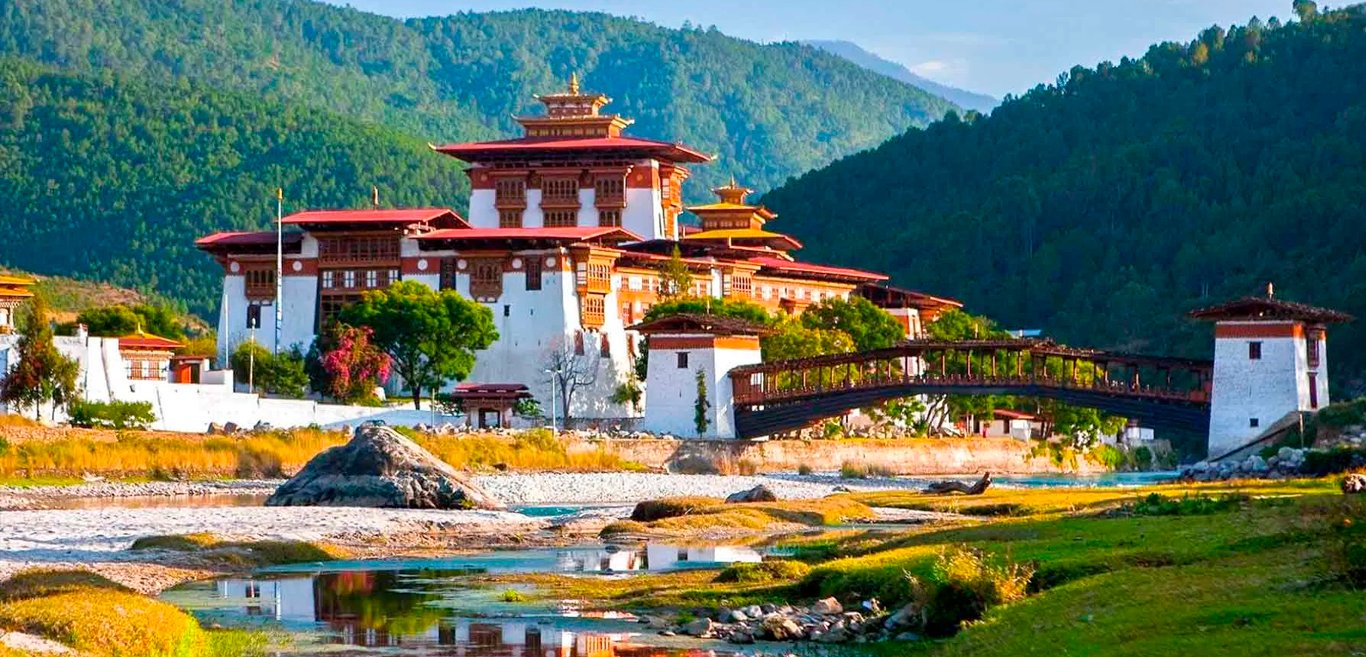
Bhutan’s topography is not just about elevation—it’s about contrast and beauty. From the emerald river valleys of Punakha and Bumthang to the rugged, glaciated mountains in the far north, Bhutan offers travelers a constantly changing landscape that is both visually stunning and ecologically rich.

Leave a comment: